- トップ
- 教員・研究室
教員・研究室
神戸情報大学院大学に所属する教授陣と研究室についてご紹介します。
-
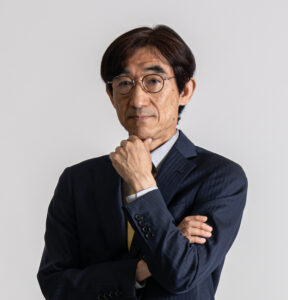 学長炭谷俊樹Sumitani, Toshiki
- 担当コース
- ICTイノベータコース、ICTプロフェッショナルコース
- プロフィール
東京大学理学系研究科修士課程修了(物理学専攻)
ビジネス・ブレークスルー大学大学院客員教授(経営管理専攻・問題解決思考)
ラーンネット・グローバルスクール 創設者
-
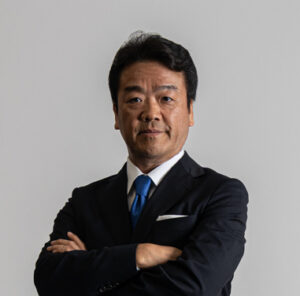 学長代理福岡賢二Fukuoka, Kenji
- 担当コース
- ICTイノベータコース、ICTプロフェッショナルコース
- プロフィール
博士(学術)専門分野:Computer & Communication (コンピュータと情報コミュニケーション)
スウィフト・エックスアイ株式会社 代表取締役社長
Tankyu X 代表取締役社長
KTMG合同会社 代表
IEEE(米国電気電子学会)Education Society会員
-
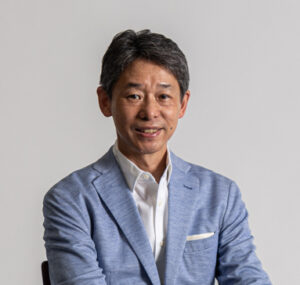 副学長(特任教授)内藤智之Naito, Tomoyuki
- 担当コース
- ICTイノベータコース、ICTプロフェッショナルコース
- プロフィール
早稲田大学大学院アジア太平洋研究科博士後期課程単位取得満期退学
一級建築士
(株)フジタ勤務を経て、独立行政法人 国際協力機構(JICA)および世界銀行にてICT分野を主導。世界経済フォーラム(WEF)にも参加。2021年4月より現職。
所属学会:国際開発学会、情報通信学会、国際開発研究者協会
-
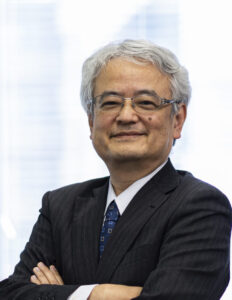 研究科長(教授)土田雅之Tsuchida, Masayuki
- 担当コース
- ICTイノベータコース、ICTプロフェッショナルコース
- プロフィール
博士(知識科学=経営学系)
技術士(情報工学)
中小企業診断士
キャリアコンサルタント京都大学工学部数理工学科卒業、同大学院修士課程修了。
パナソニック入社、本社研究部門で情報通信技術の研究に従事、人材開発部門にてさまざまな社内研修の企画運営を担当。パナソニック在籍中に北陸先端科学技術大学院大学知識科学研究科の博士後期課程修了。2018年より現職。
情報処理学会、組織学会、日本技術士会、大阪府中小企業診断協会、日本キャリアコンサルタント協会会員
-
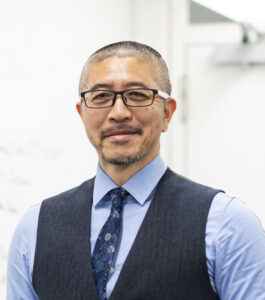 特任教授高原敏竜Takahara, Toshio
- 担当コース
- ICTイノベータコース
- プロフィール
大阪芸術大学映像学科を卒業後、青年海外協力隊員としてセネガルでの活動を皮切りにニジェール、ベナン、ジブチなどでJICA業務に携わる。2013年に神戸情報大学院大学のイノベータコースに第1期生として入学し、2015年に卒業。2018年12月より現職。
-
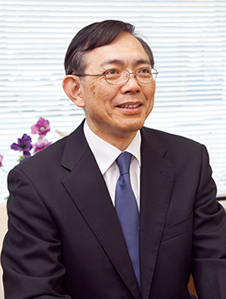 教授伊藤守Ito, Mamoru
- 担当コース
- ICTイノベータコース、ICTプロフェッショナルコース
- プロフィール
神戸大学大学院 工学研究科 計測工学専攻 修士課程修了。
パナソニック株式会社にて、情報通信機器、車載ソフトウェア、CAD/CAEシステムなどの開発及びマネジメントに従事。
プロジェクトマネジメント学会、IEEE、PMAJ、PMI会員
PMS(PMAJ認定)、PMP®(米国PMI®認定)
-
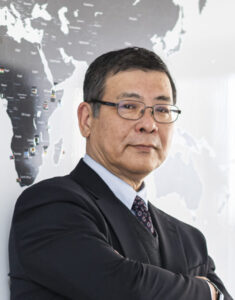 教授平石輝彦Hiraishi, Teruhiko
- 担当コース
- ICTイノベータコース、ICTプロフェッショナルコース
- プロフィール
エレクトロニクスメーカー(Panasonic)にて、システムの研究開発、家電製品の組み込み機器開発(ハード、ソフト)、大規模ソフトウェア開発の横断的支援、などの経験に基づき、社内外のシステム・ソフトウェア技術関連の教育訓練を担当する。
商品開発の実践を通じたエンジリアリング分野、特にステークホルダの要求を形にする「要求工学」に精通する。
大阪府立大学(現大阪公立大学)工学研究科 数理工学専攻修了
-
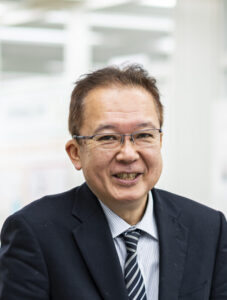 教授奥田亮輔Okuda, Ryosuke
- 担当コース
- ICTイノベータコース
- プロフィール
1985年京都大学工学部電子工学科卒、1990年京都大学大学院電子工学専攻博士課程了、博士(工学)。同年三菱電機株式会社入社。ルネサスエレクトロニクス株式会社
-
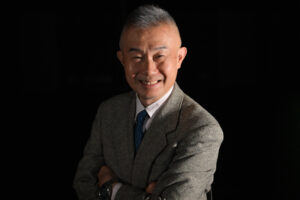 教授山中俊之Yamanaka, Toshiyuki
- 担当コース
- ICTイノベータコース、ICTプロフェッショナルコース
- プロフィール
ケンブリッジ大学大学院修士(開発学)、大阪大学大学院博士(国際公共政策)、ビジネスブレークスルー大学院MBA、高野山大学大学院修士(仏教思想・比較宗教)、京都芸術大学卒(芸術教養)、東京大学法学部卒。
世界108か国(2026年4月現在)の社会的課題の現場を回り、社会イノベーション及びリーダーシップ開発に注力。外務省、日本総研(コンサルティング会社)を経て、2010年株式会社グローバルダイナミクス設立。 https://globaldynamics360.com/ 2015年より神戸情報大学院大学の教員に就任。
KICで扱う主たる社会イノベーションのテーマは、①環境・エネルギー・天然資源問題、②教育・人材開発、③農業・食品・健康、④ビジネスマッチング・中小企業支援、⑤政府の開発援助、⑥異文化理解等。自国の経済開発に関心のあるアフリカ・アジアの留学生や新興国の経済開発に関心の高い日本人学生が多数在籍してきた。
趣味は落語とスキューバダイビング。
-
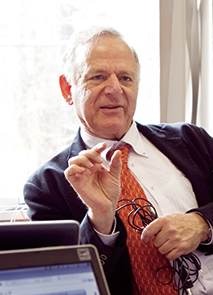 教授マルコン・シャンドルMarkon, Sandor
- 担当コース
- ICTイノベータコース
- プロフィール
ハンガリー・ブダペスト工科大学・電気工学科卒業
京都大学大学院 博士(工学)
ICME学会評議員
システム数理と応用(MSS)研究専門委員
-
 教授岩本久Iwamoto, Hisashi
- 担当コース
- ICTプロフェッショナルコース
- プロフィール
博士(工学)
大手電機メーカー、ベンチャー企業に勤務後、現職
-
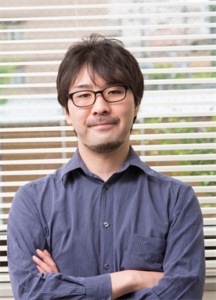 教授大寺亮Ohtera, Ryo
- 担当コース
- ICTプロフェッショナルコース
- プロフィール
千葉大学大学院自然科学研究科情報科学専攻博士後期課程修了
博士(工学)
電子情報通信学会、日本色彩学会会員
-
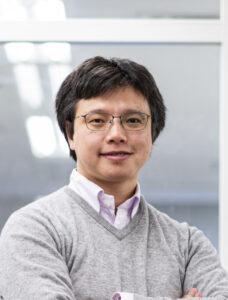 准教授孫一Sun, Yi
- 担当コース
- ICTイノベータコース、ICTプロフェッショナルコース
- プロフィール
神戸大学大学院国際文化学研究科グローバル文化専攻博士後期課程修了
博士(学術)
情報処理学会、日本教育工学会、中国計算機学会(CCF)会員
国際華人教育技術学会 (SICET)理事
ウェブデザイン技能検定試験 技能検定委員
-
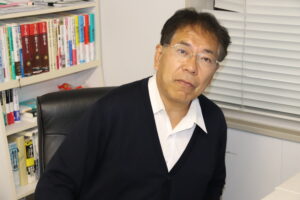 准教授二見強史Futami, Tsuyoshi
- 担当コース
- ICTプロフェッショナルコース
- プロフィール
1981年4月、横浜国立大学経済学部卒業(数理統計学専攻)高砂市役所へ入庁
市役所在職中、週2日職専免にて神戸商科大学大学院(昼間)で経済学修士取得
市長公室秘書係長を最後に民間のシステム・エンジニアへ転職
大手SIer(扶桑電通㈱)関西支店システム部次長、姫路営業所次長兼システム課長
2013年、奈良県CIO補佐官へ転職、再び公務員へ、2016年、第13代都道府県CIOフォーラム会長に就任、2018年、奈良県庁を退職し、佐賀県庁情報監へ転職(現職)
・立命館大学テクノロジー・マネジメント研究科博士課程後期単位取得・在籍
・情報処理技術者(ITストラテジスト)
・一般社団法人全国地域情報化推進協会ICT地域イノベーション委員会
-
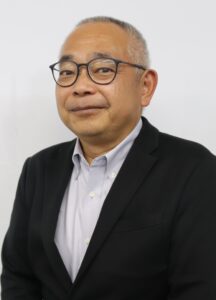 教授小藪康Koyabu, Yasushi
- 担当コース
- ICTイノベータコース、ICTプロフェッショナルコース
- プロフィール
関西大学商学部商学科卒業
パナソニック株式会社にて、システムエンジニアとして社会インフラ系の制御系システムの設計、開発および開発プロジェクトマネジメント業務に従事
その後、社内技術人材育成部門にて、プロジェクトマネジメント人材の育成に従事、あわせて、グローバル全社従業員向けeラーニングプラットフォームの構築と活用スキームの立ち上げに従事
米国PMI認定 Project Management Professional
情報処理技術者 アプリケーションエンジニア
-
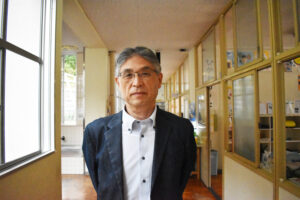 特任教授矢野孝一Yano, Kouichi
- 担当コース
- ICTプロフェッショナルコース
- プロフィール
大阪教育大学卒業、龍谷大学政策学研究科修士課程修了。
ヤノ電器(株)、(株)アプリック、Qmark Technology Inc. 各代表
NPO法人MOSA 代表、協同組合インフォーメーション・テクノロジー関西 副理事長
(株)羅針ネット 顧問、(財)阪神・淡路マルチメディア産業交流会 理事
神戸学院大学 客員教授、関西学院大学 講師、大阪人間科学大学 講師
日本教育工学学会会員。
-
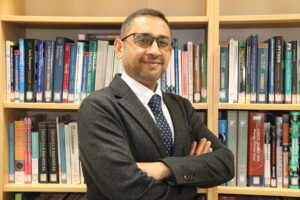 講師スクート・ハミドゥラSokout, Hamidullah
- 担当コース
- ICTイノベータコース
- プロフィール
BSc, Computer Science, Kabul University (Kabul)
MSc, Information Systems, Kobe Institute of Computing (Japan)
Ph.D, Computer Science and Electrical Engineering, Kumamoto (Japan)
Assistant Professor and Vice dean of Faculty of Computer Science, Kabul Polytechnic University
Served as Coach and resource person for UNITAR Program for Afghanistan
Quality assurance and credibility, Committee member (Ministry of Higher Education of Afghanistan
Member of Committee for the evaluation of educational documents outside the border, Ministry of Higher Education, Afghanistan
-
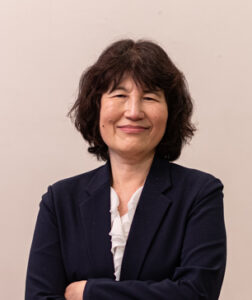 助教石野かおりIshino, Kaori
- 担当コース
- ICTイノベータコース、ICTプロフェッショナルコース
- プロフィール
神戸情報大学院大学 ICTプロフェッショナルコース修了
日本災害情報学会正会員
日本災害福祉学会準会員
防災士「社会貢献・文化活動」
特定のフランスの歌に関連する文化的遺産を次世代に伝えるため、日本とフランスの関係者間の情報共有の架け橋となり、活動しています。
毎年小児がん患者や被災地のためのチャリティーイベントにボランティアで参加協力をしています。
-
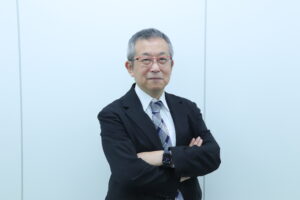 助教井上宗一郎Inoue, Soichiro
- 担当コース
- プロフィール
神戸情報大学院大学 ICTプロフェッショナルコース修了
教育システム情報学会正会員
情報処理安全確保支援士国内アンテナメーカーにてソフトウエア開発に従事
時代の流れに合わせて 、アセンブリ言語、C言語、Pascal、C#、組み込みマイコン、Python、AIを用いた開発等、多岐にわたる開発経験を持つ
ソフト開発・電子工作・木彫等、ものづくりが得意
-
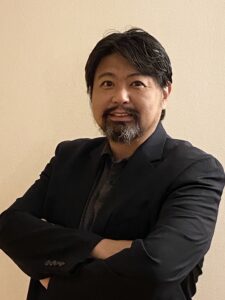 特任教授山中敦之Yamanaka, Atsushi
- 担当コース
- ICTイノベータコース
- プロフィール
アメリカン大学国際関係学部国際政治経済学修士課程修了
ランセラー工科大学物理学物理学科学士課程修了
国連開発計画、WHO米州地域局、CSO、個人コンサルタントなどを通じ、15年以上ICTと開発業務に従事
JICA専門家としてルワンダ政府機関のICTアドバイザー中にはルワンダ国ICT戦略作成支援を行う
現在、ルワンダ国青年ICT省兼ルワンダICT商工会議所シニア―・アドバイザー
-
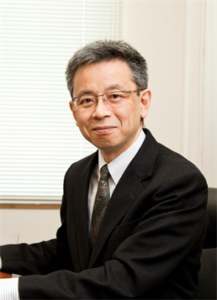 特任教授嶋久登Shima, Hisato
- 担当コース
- ICTプロフェッショナルコース
- プロフィール
ソニー株式会社にてネットワーク対応製品の開発や技術標準化に取り組む。現在ホームネットワークの世界標準になっているDLNAや著作権保護されたコンテンツの伝送技術DTCP-IPなどの開発の中心的メンバー。
また、ネットワーク対応製品のセキュリティ問題にも取り組んできた。
スタンフォード大学コンピューターサイエンス学科修士(MSCS:Master of Science in Computer Science)
-
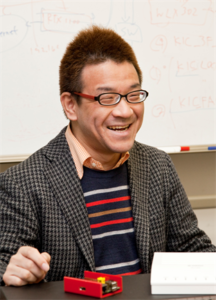 特任准教授横山輝明Yokoyama, Teruaki
- 担当コース
- ICTイノベータコース、ICTプロフェッショナルコース
- プロフィール
2007年3月、奈良先端科学技術大学院大学博士後期課程修了
博士(工学)
完全オンライン大学のサイバー大学に開学より参加し、講師としてオンライン教育の提供に取り組む
また、奈良先端科学技術大学院大学インターネット工学講座外部研究員としてインターネット関連技術の開発研究に関わる
アジア地域の教育研究プロジェクトAI3にて、プロジェクト運営と人工衛星インターネットの構築運用を担当
WIDEプロジェクト、サイバー関西プロジェクトに所属
-
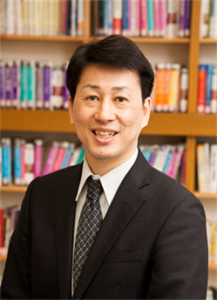 特命教授宮本行庸Miyamoto, Yukinobu
- 担当コース
- ICTイノベータコース、ICTプロフェッショナルコース
- プロフィール
神戸大学工学部システム工学科卒業。神戸大学大学院自然科学研究科知能科学専攻博士後期課程修了。
博士(工学)。技術士(情報工学部門)。情報処理学会認定情報技術者(CITP)。
明石工業高等専門学校准教授、神戸学院大学准教授、JICAバングラデシュ事務所ITEEプロジェクト専門家等を歴任。追手門学院大学理工学部教授。
情報処理学会、人工知能学会、電子情報通信学会、進化計算学会、情報知識学会、日本工学教育協会、日本技術士会会員。情報知識学会理事、電子情報通信学会システム数理と応用研究専門委員会専門委員、公益財団法人CIESF理事。
-
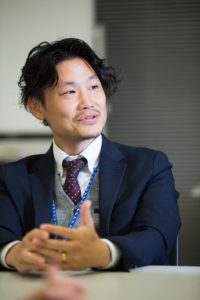 客員教授竹内知成Takeuchi, Tomonari
- 担当コース
- ICTイノベータコース
- プロフィール
専門商社、日本国内の大手システムインテグレーターを経て青年海外協力隊へ参加し、エチオピアにてIT教師として活動。
その後、在エチオピア日本大使館に「草の根・人間の開発無償資金協力」を担当。レベルでの学校建設、井戸・「灌漑施設設置、公衆衛生改善など各種開発プロジェクトを支援。
マンチェスター大学大学院にてICT4Dの修士号を取得後、国際協力機構(JICA)へ入構。情報システム部、経済基盤開発部、ガーナ事務所、総務部等で技術協力、無償資金協力、有償資金協力といった各種スキームでのプロジェクトマネジメントを経験。
アビームコンサルティング株式会社等を経て現在は、合同会社デロイト トーマツにてICT4Dに関連するODA案件や民間企業の途上国展開支援等に従事。
-
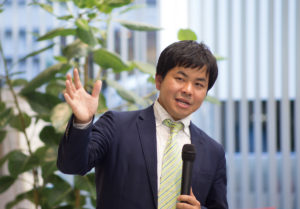 客員教授小塩篤史Koshio, Atsushi
- 担当コース
- ICTイノベータコース、ICTプロフェッショナルコース
- プロフィール
現在、株式会社IF 代表取締役CEO。マサチューセッツ工科大学スローン経営大学院客員研究員、東京大学政策ビジョン研究センター特任研究員、日本医科大学医療管理学教室助教などを歴任。前 事業構想大学院大学事業構想研究科教授・研究科長。
-
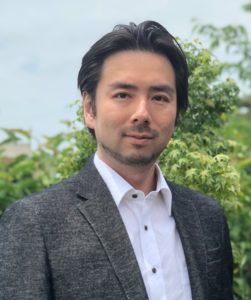 客員教授小田真人Oda, Masato
- 担当コース
- ICTイノベータコース、ICTプロフェッショナルコース
- プロフィール
慶大卒後、(株)電通国際情報サービス入社。MBA取得後、赴任先シンガポールにて日系企業の国際デジタルマーケティングを支援するデータインテリジェンスセンターを設立。初代General Manager。
帰国後、環境によい技術がルールで弾かれて採用されない問題を解決すべく株式会社オシンテックを創業。同、代表取締役。ビジョン「世界のルールをみんなの手で」の元、ルール形成トレンドのインテリジェンスサービス、及びRuleWatcher.comを提供。自治体首長や企業・自治体への講演実績多数。専門は、非市場戦略と情報活用。
-
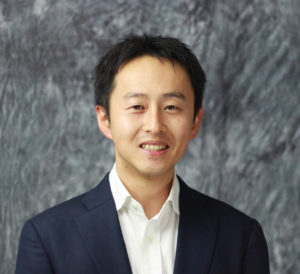 客員教授狩野剛Kano, Tsuyoshi
- 担当コース
- ICTイノベータコース
- プロフィール
金沢工業大学 情報デザイン学部 准教授
(独)JICAにおける技術協力、無償資金協力、有償資金協力における国際協力プロジェクトの企画、運営、評価
(一社)ICT for Development におけるオンラインサロン運営・情報発信
(株)野村総合研究所における証券システム開発
-
 客員教授サチン・チョードリーSachin, Chowdhery
- 担当コース
- ICTイノベータコース、ICTプロフェッショナルコース
- プロフィール
インド生まれ。AVS社会長。日本在住。投資家、経営者、教育者。株式会社チェンジ(東証プライム上場)元取締役。
-
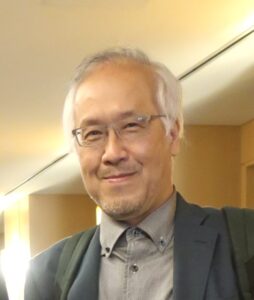 客員教授川島智生Kawashima, Tomoo
- 担当コース
- ICTイノベータコース、ICTプロフェッショナルコース
- プロフィール
建築史家。一級建築士。京都華頂大学前教授。1998年国立京都工芸繊維大学(博士:PhD)。近代建築史を専門として、文化財指定や登録を担う。科学研究費出版助成により『近代京都における小学校建築』『近代神戸の小学校建築史』『宝塚 温泉リゾート都市の建築史』などを出版。他に『岩﨑平太郎の仕事』『民芸運動と建築』など多数著作あり。小学校建築や近代建築にとどまらず、寺院や神社、住宅の建築をとおして地域史の掘り起こしを行っている。
-
 客員准教授乳原佳代Uhara, Kayo
- 担当コース
- ICTプロフェッショナルコース
- プロフィール
印象戦略コンサルタント。キャステージ社代表。海外要人や国会議員を含む著名人の印象分析や情報発信などメディア出演多数。ロンドンのドラマスクールで発声やパフオーマンス全般を学び、伝えたい内容と服装・話し方など印象を一致させることで、より効果的に相手に伝わることを修得。

